$5.5 Billion in Sales: Inflation Pushes Shoppers to Goodwill as Traffic Jumps 9.5%
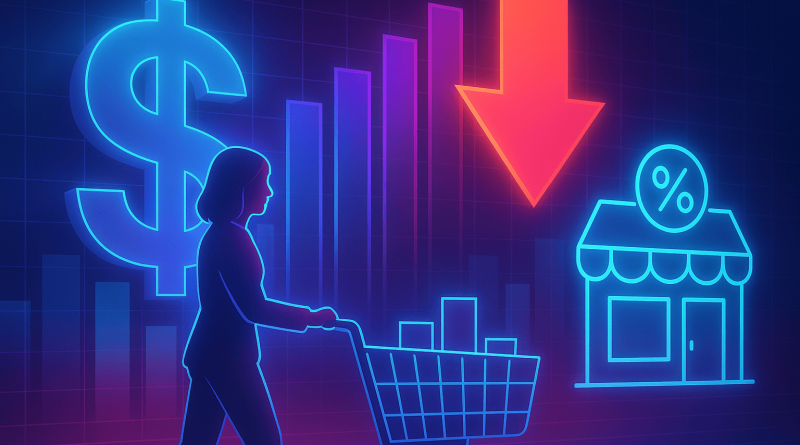
- Goodwill stores pulled in more than $5.5 billion in sales last year across the U.S. and Canada. That’s not just a new record—it’s a massive 37% jump from 2019. Even more telling? Foot traffic to these locations climbed 9.5% in the first ten months of this year compared to last year. That’s more than double the rate we’re seeing at traditional clothing retailers.
- Let’s be real: this isn’t about thrifting suddenly becoming trendy. It’s about household budgets getting squeezed for nearly five years straight. Grocery bills are higher, rent keeps climbing, and wages aren’t keeping pace. When you’re staring down rising costs for essentials like food and household basics, shopping secondhand stops being a choice and starts being a necessity.
The middle class is facing nearly five years of persistent cost pressures, fundamentally changing how families approach everyday purchases.
- What makes this particularly significant is that even as headline inflation shows signs of cooling, the cumulative damage is already done. Prices might not be rising as fast, but they’re still way higher than they were—and people remember what things used to cost. That psychological impact matters just as much as the actual numbers.
- The broader picture here is pretty clear: discount and secondhand channels aren’t just surviving in this environment—they’re thriving. While traditional retailers struggle with softer demand and cautious consumers, places like Goodwill are seeing steady growth. That tells you everything you need to know about where household priorities are right now.
- This trend isn’t slowing down anytime soon. As more shoppers discover they can stretch their dollars further at thrift stores, it’s reshaping competitive dynamics across the entire retail sector. We’re watching consumer behavior evolve in real time, driven by economic pressures that show no signs of disappearing.
My Take: This shift to discount retail isn’t temporary—it’s a lasting change in how Americans shop. Even when inflation fully cools, many households will stick with these new habits. That means traditional retailers need to rethink pricing and value propositions fast.
Source: WSJ

 English