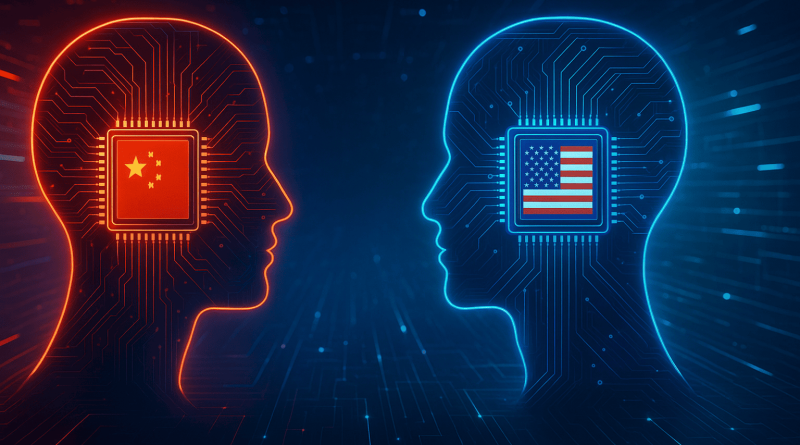
China Releases 20+ Open-Source AI Models in 2025 as U.S. Shifts to Closed Systems
- China has solidified its dominance in open-source AI development, according to newly published model-release data. The numbers tell a compelling story: Chinese companies including Alibaba, DeepSeek, Z.ai, Moonshot, and MiniMax have released significantly more open-source AI models in 2025 compared to their American counterparts. This growing divide highlights a fundamental philosophical split in how the world’s two largest AI markets approach innovation and competition.

- The scale of the gap is striking. Alibaba leads globally with over twenty total model releases this year, with the majority being open-source. DeepSeek follows with double-digit releases, slightly outpacing Google in overall output. Meanwhile, U.S. giants like OpenAI and Anthropic have contributed only a handful of open-source models despite maintaining active development pipelines. While protecting commercial advantages through closed systems may help American firms stay competitive in the short term, it simultaneously restricts the tools available to researchers, independent developers, and smaller teams who rely on open ecosystems to innovate.
The shift toward closed models may help U.S. firms remain competitive, but it also slows innovation by reducing the tools available to researchers, developers, and smaller teams.
- This trend reflects deeper strategic calculations across the industry. Major U.S. companies are prioritizing proprietary systems that support enterprise monetization and maintain tight control over intellectual property. Chinese developers are taking the opposite approach, accelerating open-source releases to build global adoption, attract top technical talent, and influence research directions. By making powerful models freely accessible, China is enabling faster experimentation and broader participation, positioning itself as the central hub for open AI development.
- The implications extend far beyond model counts. Open-source ecosystems historically drive rapid innovation, lower barriers to entry, and accelerate technical progress across industries. If American firms continue restricting access while China expands it, future breakthroughs and commercial opportunities may increasingly flow toward developers working in more open environments. For sectors tied to AI infrastructure, cloud services, and semiconductor demand, this shift could reshape where technological leadership emerges in the coming years.
My Take: China’s bet on open-source AI isn’t just about goodwill—it’s strategic positioning. By flooding the market with accessible models, they’re building mindshare and ecosystem lock-in while U.S. firms chase short-term profits behind closed doors. The irony? America invented this playbook.
Source: Haider


 English