XRP Holds $2.30 Support as 4H Descending Channel Guides Price Action
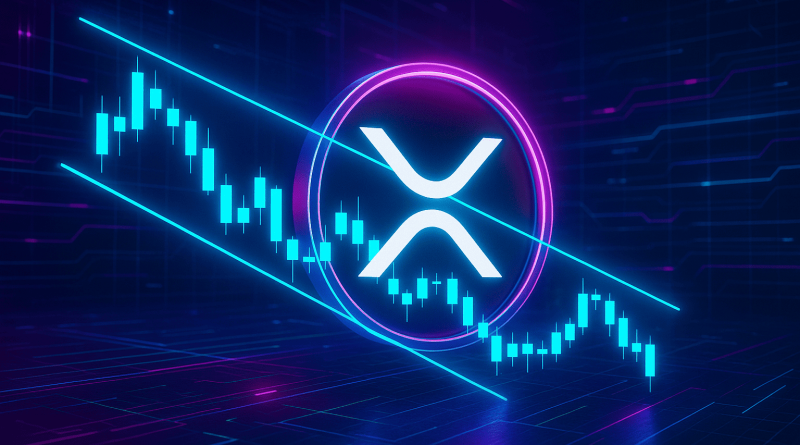
XRP continues moving within a clearly defined descending channel on lower timeframes, with recent price action playing out exactly as the structure suggests. The 4-hour chart shows price bouncing between descending resistance and descending support lines. After failing to hold momentum near the channel’s midpoint, XRP has been sliding toward the lower boundary, respecting the technical framework that’s been in place.

Over the past few sessions, XRP gradually dropped from the descending resistance trendline, losing grip on a short-term support level. This decline brought the token closer to the channel’s bottom edge. The chart highlights a liquidity pocket and demand zone sitting just below current price—an area where XRP has previously shown reactions and where it’s now headed.
The projected path on the chart suggests XRP might briefly dip into the liquidity pocket near descending support before bouncing back toward higher levels within the channel. “$XRP LTF price action is unfolding as expected,” noted the analyst, pointing to how the setup is developing in real-time. This projection shows how traders are mapping potential moves based on structure and liquidity zones rather than making firm predictions. XRP remains capped by descending resistance, which continues blocking upside attempts on the lower timeframe.
This technical picture matters because it reflects the broader consolidation phase across major crypto assets. XRP respecting this descending structure shows market participants are paying close attention to key technical levels instead of forcing aggressive directional bets. As price approaches the demand zone, the next reaction could set the tone for short-term momentum and volatility.
My Take: The descending channel setup on XRP looks textbook right now. If the demand zone around $2.30 holds as expected, we could see a decent bounce back toward mid-channel resistance. Clean structure like this makes it easier to map risk and opportunity.
Source: ChartNerd

 English