
ORCL Stock: Tax Reform Threatens Billions in Revenue and Tens of Thousands of Jobs
- Oracle stock finds itself at a crossroads as market analysts temper expectations for another dramatic post-earnings rally while proposed tax amendments cast shadows over the entire technology sector. The convergence of these factors creates a challenging environment for ORCL investors looking for clarity on the stock’s near-term trajectory.
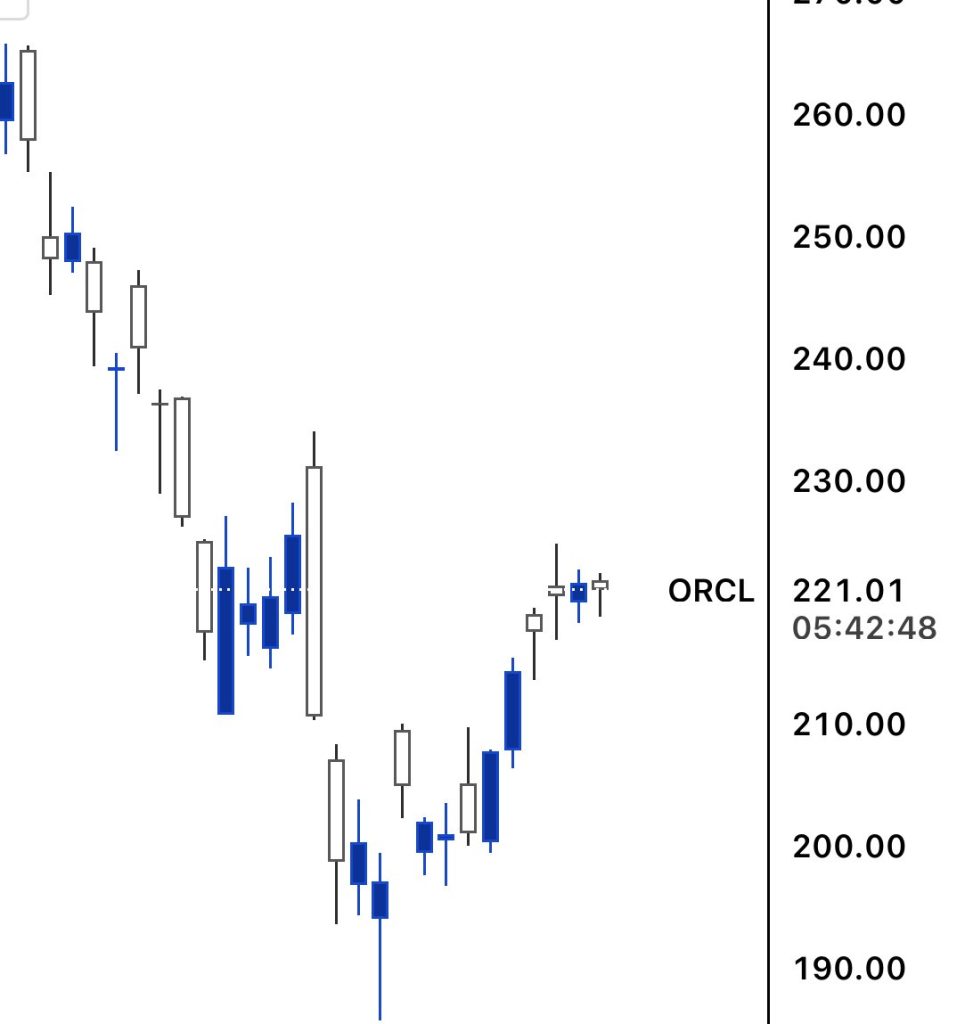
- Market observers note that another 20-35 percent jump following earnings remains highly unlikely under current conditions. This sobering assessment reflects both technical positioning and broader sentiment shifts that have cooled momentum across growth-oriented technology names. The enthusiasm that previously drove sharp rallies has given way to more cautious positioning as investors reassess risk-reward dynamics in an evolving policy landscape.
- The regulatory dimension adds another layer of complexity to Oracle’s outlook. Proposed tax changes would impose significantly heavier fiscal burdens on companies operating domestically, with industry groups warning of potentially severe consequences. These measures could trigger bankruptcies among smaller players, accelerate the exodus of specialized technical talent, and ultimately weaken the innovation capacity that drives long-term competitiveness. For Oracle, these aren’t abstract concerns but tangible risks that could reshape operational economics and strategic planning.
The financial impact of the proposal is substantial. Forecasts suggest that the budget could face billions in lost tax revenue if the amendments distort corporate activity or push businesses offshore.
- The numbers paint a stark picture of what’s at stake. Budget forecasts indicate billions in potential lost tax revenue if the amendments push businesses to restructure or relocate operations offshore. Industry representatives have countered with an alternative approach focused on profit tax adjustments rather than the broader structural changes currently proposed. This counterproposal aims to maintain business continuity while ensuring stable fiscal contributions, though its prospects remain uncertain.
- The ripple effects extend well beyond Oracle’s immediate business. The broader reform package threatens tens of thousands of jobs across the sector as companies weigh scaling down domestic operations or relocating entirely. Analysts project significant declines in both personal income tax and corporate profit tax receipts if the proposed framework moves forward unchanged. These structural consequences create an environment where individual company performance becomes increasingly difficult to separate from broader industry dynamics.
- For Oracle shareholders, this means navigating a period where company fundamentals alone won’t determine stock performance. The interplay between regulatory developments, capital flow patterns, and strategic responses across the sector will shape ORCL’s path forward. As momentum moderates and policy debates intensify, the stock faces headwinds that require careful monitoring of both corporate execution and external factors beyond management’s control.
My Take: The combination of muted earnings expectations and regulatory uncertainty creates a risk-reward profile that favors patience over aggressive positioning. Until policy clarity emerges and sentiment stabilizes, ORCL likely trades within a range defined more by macro factors than company-specific catalysts.
Source: Mark Q



 English